

Aerospace scrap recycling in London requires a different level of control compared with standard scrap metal processing. Aircraft components, turbine blades, titanium structures and nickel-based super alloys are high-performance materials designed for extreme operating conditions. When removed from service, they retain significant material value but require structured handling, regulatory awareness and accurate grading.
Engineering firms, MRO facilities and aerospace suppliers operating across Greater London generate specialist scrap during maintenance cycles, fleet upgrades and production changes. Understanding how aerospace scrap recycling works allows businesses to protect both compliance standards and financial return.
This guide explains what qualifies as aerospace scrap, how it is processed and how structured recycling improves traceability and material recovery.
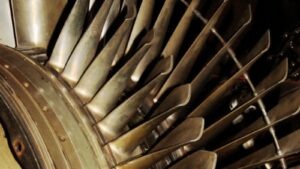
Aerospace scrap includes components manufactured for aircraft engines, airframes and precision aviation systems. Common examples include turbine blades, compressor discs, titanium fuselage sections, landing gear components and high-temperature nickel alloys.
Unlike general engineering scrap, these materials often contain super alloys engineered with nickel, cobalt, chromium and rare elements such as rhenium or hafnium. Their composition makes them highly valuable but also requires specialist identification before recycling.
More detail about turbine blade processing can be found here:
https://connolleymetals.co.uk/turbine-blade-recycling/
Aerospace metals are tightly regulated within supply chains. Certain components must be destroyed or processed securely to prevent unauthorised reuse. This applies particularly to engine components and high-stress structural parts.
Recycling processes must therefore address both material recovery and secure handling. Proper documentation, weight records and traceability are often required for audit and compliance purposes.
The Scrap Metal Dealers Act 2013 governs scrap transactions within the UK:
https://www.legislation.gov.uk/ukpga/2013/10/contents
Additionally, guidance from the Environment Agency outlines responsible waste handling standards:
https://www.gov.uk/government/organisations/environment-agency
Aerospace scrap recycling in London must align with these frameworks.
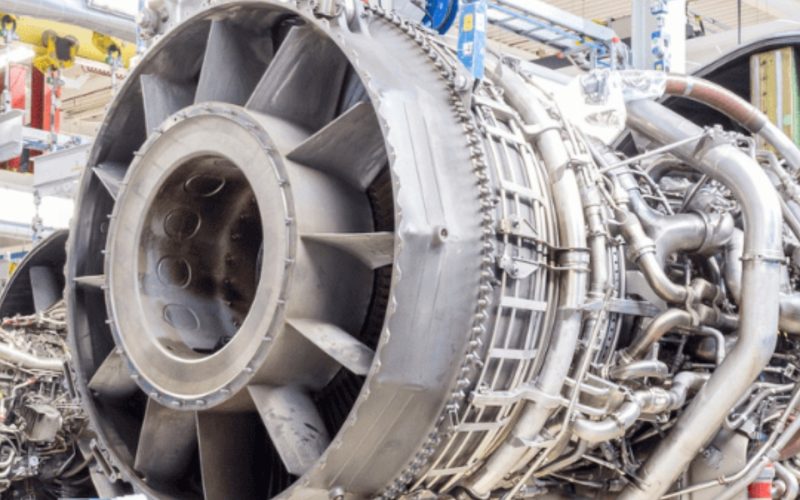
Valuation of aerospace scrap differs from conventional steel or mixed metal streams. Pricing depends on alloy grade, certification, contamination level and global demand for super alloys.
Titanium alloys are typically valued based on grade series and cleanliness. Nickel-based super alloys require identification of composition and absence of foreign materials. Segregated and clearly labelled components achieve more accurate pricing.
For businesses wanting a deeper understanding of market influences, refer to:
https://connolleymetals.co.uk/scrap-metal-prices-london-business-guide/
Proper storage prior to collection reduces oxidation and contamination, improving grading outcomes.
Titanium plays a central role in aerospace manufacturing due to its strength-to-weight ratio and corrosion resistance. When aircraft structures or engine components are replaced, scrap titanium remains highly recyclable.
Recycling titanium reduces the need for energy-intensive primary extraction and supports circular supply chains. Clean titanium scrap often commands premium rates compared with mixed industrial scrap.
More information about titanium processing can be found here:
https://connolleymetals.co.uk/titanium-recycling/
Aerospace scrap collection in London typically requires scheduled removal and structured documentation. Industrial zones across Rainham, Barking and Dagenham generate consistent volumes from specialist engineering and aviation suppliers.
Collection planning considers container type, weight limits and site access. For larger dismantling projects, roll-on roll-off containers may be required to manage bulk alloy removal efficiently.
Controlled transport reduces material loss and maintains traceability throughout the recycling process.
Modern jet engines contain complex super alloys designed to withstand extreme heat and pressure. These alloys often include nickel, cobalt, chromium and trace rare metals.
Because of their specialised composition, recycling these materials supports sustainable industrial practice while maintaining commercial return.
Businesses operating in aerospace supply chains benefit from working with recyclers familiar with alloy identification and grading standards.
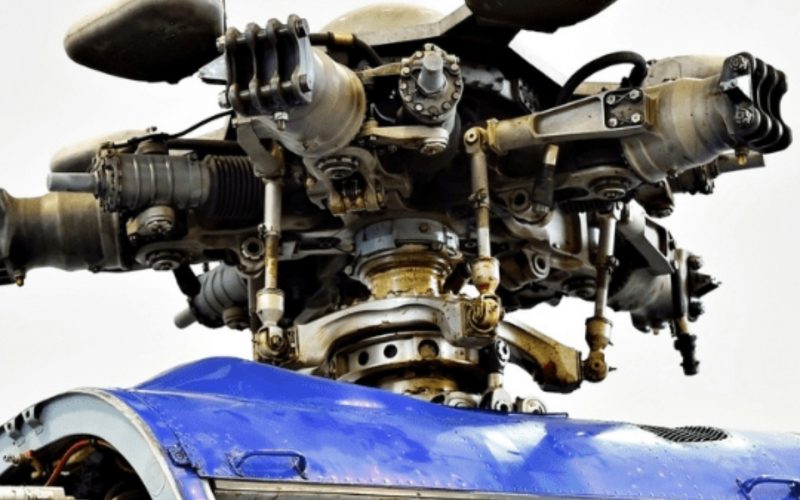
Recycling aerospace metals significantly reduces energy consumption compared with producing new alloy from raw ore. High-performance metals require extensive refinement during primary production.
Reprocessing existing alloy conserves resources and supports environmental targets within the aviation and engineering sectors.
The UK Government promotes resource efficiency as part of its waste strategy framework:
https://www.gov.uk/government/publications/resources-and-waste-strategy-for-england
Aerospace recycling contributes directly to these objectives.
Businesses improve recovery value by separating titanium, nickel alloys and mixed metals into clearly labelled containers. Covered storage prevents contamination from moisture and debris.
Maintaining records of component origin can assist grading and compliance documentation. Clear communication with recycling partners supports efficient collection scheduling.
Simple procedural improvements often increase recovered value without operational disruption.
1. What types of aerospace scrap can be recycled?
Turbine blades, titanium airframe sections, nickel-based super alloys, compressor discs and precision-engineered aircraft components can all be recycled.
2. Is aerospace scrap subject to legal requirements?
Yes. Scrap transactions must comply with UK legislation, including identification and documentation requirements.
3. How is titanium aerospace scrap priced?
Pricing depends on grade, cleanliness, quantity and current market demand. Segregated materials typically achieve stronger returns.
4. Can turbine blades be recycled securely?
Yes. Turbine blades can be processed in a controlled manner that supports both secure destruction and material recovery.
5. Does aerospace recycling require specialist collection?
Yes. Due to alloy value and compliance considerations, structured collection and handling are recommended.
Aerospace scrap recycling requires structured assessment, secure handling and accurate grading. Engineering firms and aviation suppliers operating across London benefit from organised recycling systems that protect both compliance and material value.
Connolley Metals
Off Frog Lane, Marsh Way
Rainham RM13 8UG
📞 Phone: 020 3758 3934
📧 Email: info@connolleymetals.co.uk
🌐 https://connolleymetals.co.uk/contact-us/
For enquiries regarding titanium recycling, turbine blade recovery, aerospace scrap or specialist alloy recycling, contact the team to discuss material types and collection requirements.
 Call us now