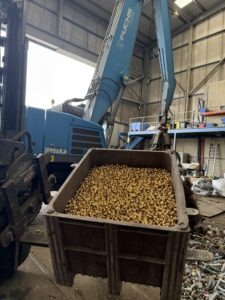

Factory clearance in London requires more than basic scrap collection. Industrial environments contain heavy machinery, structural steel, redundant plant equipment and accumulated production scrap that must be dismantled and removed safely.
Businesses relocating, upgrading equipment or closing facilities across Rainham and Greater London often require structured clearance planning. Machinery removal must align with safety standards, transport logistics and regulatory compliance.
This guide explains how factory clearance works, what businesses should expect and how industrial scrap removal supports operational efficiency and financial recovery.
Factory clearance involves the organised removal of industrial equipment, scrap metals and redundant infrastructure from commercial premises. Projects may range from small workshop strip-outs to full-scale industrial site decommissioning.
Common elements include dismantling heavy machinery, removing steel frameworks, clearing production offcuts and transporting large volumes of scrap metal. In some cases, entire warehouse interiors are cleared to prepare buildings for new tenants or redevelopment.
Industrial scrap metal collection services form a key part of the process
The objective is to restore the site safely while recovering value from recyclable materials.
Industrial machinery removal requires careful planning. Equipment such as CNC machines, presses, fabrication systems and conveyor structures must be assessed before dismantling.
Safe removal typically involves isolating power sources, disassembling large components and coordinating lifting equipment where required. Once dismantled, materials are separated into recyclable categories including ferrous steel, non-ferrous metals and high-value alloys.
Where specialist materials such as titanium or super alloys are present, correct segregation improves valuation.
Professional handling reduces disruption and protects surrounding infrastructure.
Large factory clearances often generate significant volumes of scrap metal. Roll-on roll-off containers – commonly known as RoRo containers – are designed to manage heavy bulk materials efficiently.
RoRo containers are particularly suitable for structural steel, machinery frames and demolition scrap. Their design supports safe loading and streamlined removal from site.
Using appropriate container systems improves site safety and accelerates project timelines.
Factory clearance and machinery scrap removal in London must comply with UK legislation. Commercial scrap transactions are governed by the Scrap Metal Dealers Act 2013.
Businesses are also responsible for meeting waste handling obligations set out by the Environment Agency.
Waste transfer documentation, identification procedures and responsible transport are central to compliant operations.
Working with a licensed scrap metal dealer protects businesses from regulatory risk.
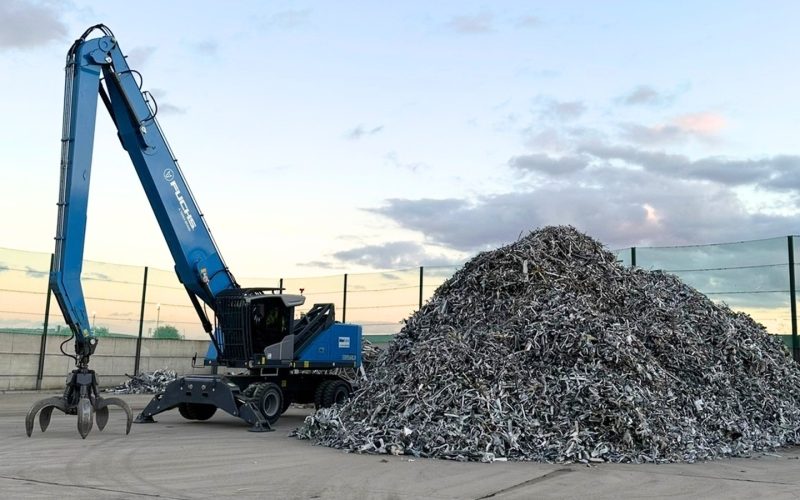
Factory clearance is not solely a disposal process. Industrial scrap often holds measurable value. Structural steel, copper wiring, stainless steel equipment and high-performance alloys can generate return when graded correctly.
Pricing depends on material type, cleanliness, quantity and current market demand. Businesses that segregate scrap during dismantling typically achieve more accurate valuation.
For a deeper explanation of pricing variables visit our page how metal pricng works in London.
Treating scrap as a recoverable asset improves overall project economics.
In addition to machinery removal, factory clearance may include removal of racking systems, shelving, cable trays and redundant infrastructure.
Commercial landlords across East London often require sites to be cleared before re-letting. Coordinated removal reduces downtime between tenants and supports property redevelopment.
Efficient scheduling ensures safe removal without unnecessary disruption.
Industrial environments present hazards including heavy loads, electrical systems and confined spaces. Machinery removal must follow structured risk assessment procedures.
Clear loading zones, controlled lifting operations and coordinated vehicle access reduce risk during clearance projects. Communication between site managers and clearance teams supports safe execution.
Prior planning reduces delays and improves overall project control.
Factory clearance services support manufacturers, engineering workshops, fabrication plants, demolition contractors and distribution centres.
Each sector generates different scrap profiles. Engineering facilities may produce precision machinery scrap, while construction-related sites may involve structural steel and plant removal.
Tailored clearance strategies reflect operational requirements and site constraints.
1. What does a factory clearance involve?
Factory clearance includes dismantling machinery, removing scrap metal, clearing infrastructure and transporting materials for recycling.
2. Can heavy industrial machinery be removed safely?
Yes. Structured dismantling procedures and appropriate lifting equipment support safe removal of heavy machinery.
3. Are RoRo containers necessary for all clearances?
RoRo containers are recommended for large or heavy scrap volumes. Smaller sites may use alternative container systems.
4. Does factory clearance require documentation?
Yes. Waste transfer documentation and compliance with UK scrap legislation are required for commercial scrap removal.
5. Can factory clearance generate financial return?
Yes. Recyclable materials such as steel, copper and high-value alloys may generate measurable value when graded correctly.
6. Factory Clearance and Machinery Scrap Removal in Rainham and Greater London
Factory clearance and machinery scrap removal require structured planning, regulatory awareness and efficient logistics. Industrial businesses across London benefit from organised clearance systems that prioritise safety and recover material value.
Connolley Metals
Off Frog Lane, Marsh Way
Rainham RM13 8UG
Phone: 020 3758 3934
Email: info@connolleymetals.co.uk
For factory clearance enquiries, machinery scrap removal or industrial site decommissioning projects, contact the team to discuss requirements.

 Call us now