

Industrial scrap metal collection in London operates differently from small-scale or domestic recycling. Commercial environments require structured logistics, regulatory compliance and efficient removal systems that align with operational demands. Manufacturers, engineering firms, demolition contractors and heavy industry operators across Rainham and Greater London depend on organised collection services that protect both material value and site safety.
Understanding how industrial scrap metal collection London services work allows businesses to manage waste streams more effectively and improve financial recovery from recyclable materials.
This guide explains what commercial operators should expect and how structured collection systems improve efficiency.
Industrial scrap collection begins with a practical review of how scrap is generated and stored. Rather than simply collecting metal when a container is full, effective systems are designed around production schedules, yard layout and material type.
A site review typically assesses the types of metals generated, the average weekly or monthly volume, storage arrangements, vehicle access and health and safety considerations. A CNC workshop producing steady volumes of alloy offcuts requires a different collection approach from a demolition contractor clearing structural steel.
When collection is structured properly, it becomes part of operational planning rather than an afterthought.
More details about structured collection systems are available here:
https://connolleymetals.co.uk/scrap-metal-collection
Businesses producing consistent scrap volumes benefit from scheduled collection. Regular pickup prevents accumulation, reduces yard congestion and maintains material condition. It also allows scrap to remain organised, which supports more accurate grading and valuation.
On-demand collection is more common for project-based work such as factory decommissioning or one-off clearance projects. In these cases, logistics planning becomes critical to minimise disruption.
On-demand collection is more common for project-based work such as factory decommissioning or one-off clearance projects. In these cases, logistics planning becomes critical to minimise disruption.
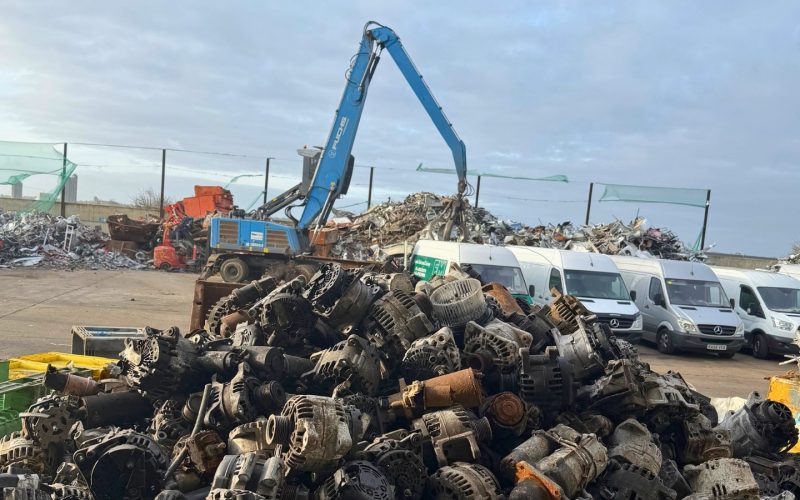
For larger commercial operations, roll-on roll-off containers – commonly referred to as RoRo containers – provide an efficient bulk handling solution. These containers are designed for heavy scrap streams such as demolition steel, structural beams and machinery components.
RoRo containers are particularly effective when scrap volumes exceed the capacity of smaller bins or when heavy materials require mechanical loading. Their design supports safe transport and streamlined removal from site.
Further information about our metal skip hire options can be found here:
https://connolleymetals.co.uk/scrap-metal-skip-hire-london/
When positioned correctly within an industrial yard, RoRo containers improve traffic flow and reduce handling time.
Industrial scrap metal collection frequently forms part of broader factory clearance projects. When businesses relocate, upgrade equipment or cease operations, structured dismantling and removal processes are required.
Factory clearance may involve removing redundant machinery, structural steel frameworks, plant equipment and accumulated production scrap. These projects demand careful planning, particularly where heavy lifting or dismantling is involved.
Where specialist materials such as titanium alloys are present, correct identification and segregation become essential to protect value.
https://connolleymetals.co.uk/titanium-recycling/
Clearance projects benefit from coordinated removal schedules and compliance-focused documentation.
Industrial scrap metal collection in London must operate within UK regulatory frameworks. The Scrap Metal Dealers Act 2013 establishes obligations for buyers and sellers:
https://www.legislation.gov.uk/ukpga/2013/10/contents
Commercial movements of scrap typically require waste transfer documentation, and proper identification procedures must be followed.
Guidance from the Environment Agency outlines waste handling responsibilities for businesses:
https://www.gov.uk/government/organisations/environment-agency
Compliance protects both operational integrity and corporate reputation.
There is a direct link between organised collection and scrap metal prices London businesses receive. When materials are segregated, stored safely and collected consistently, valuation accuracy improves.
Clean scrap streams prevent cross-contamination between ferrous and non-ferrous metals. High-value alloys separated before bulk loading avoid downgraded pricing. Regular removal reduces exposure to corrosion and environmental damage.
For more detailed pricing insight, refer to:
https://connolleymetals.co.uk/scrap-metal-prices-london-business-guide/
Businesses that treat scrap metal as a recoverable asset rather than waste generally achieve stronger financial outcomes.
Industrial scrap environments involve inherent risks. Safe loading areas, controlled dismantling procedures and appropriate container placement are essential to reduce hazards.
Collection vehicles require sufficient access space, and weight distribution within containers must be managed correctly. Structured collection planning reduces disruption and supports safe operational standards.
Clear communication between site managers and collection teams ensures safe and efficient execution.
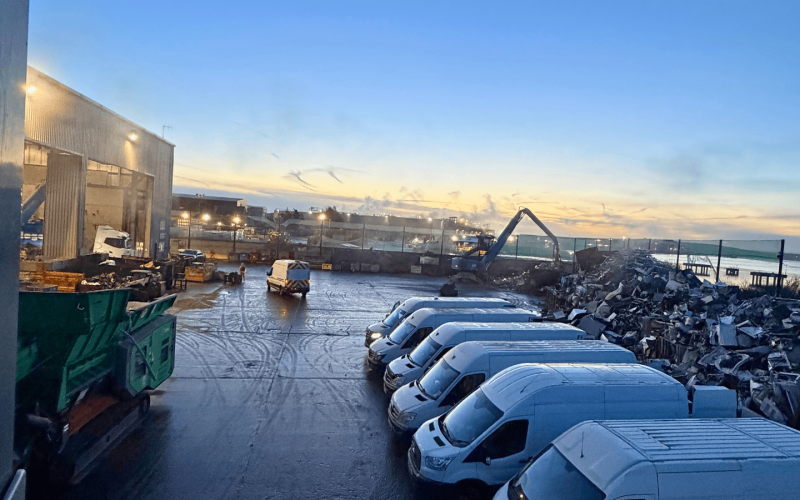
Industrial scrap metal collection supports a wide range of sectors including manufacturing, engineering, aerospace supply chains, construction, demolition and heavy industry.
Each sector produces different scrap profiles. Engineering workshops generate precision offcuts and tooling waste, while demolition contractors handle structural steel and reinforcement bar. Tailored collection strategies reflect those differences.
Industrial operators improve efficiency by implementing clear scrap storage systems. Dedicated areas for ferrous and non-ferrous materials prevent mixing. Covered storage reduces contamination and preserves material quality.
Maintaining clear vehicle access routes reduces loading time. Communicating changes in volume in advance supports better logistical planning.
These practical adjustments strengthen both operational flow and scrap valuation.
1. How often should industrial scrap be collected?
Collection frequency depends on production volume and available storage space. High-output facilities may require weekly collection, while smaller operations may operate on longer intervals.
2. Are roll-on roll-off containers suitable for all businesses?
RoRo containers are most effective for large or heavy scrap volumes. Smaller facilities may use alternative container systems depending on scale.
3. Do industrial scrap movements require documentation?
Yes. Commercial scrap collection typically involves waste transfer documentation in accordance with UK regulations.
4. Can machinery removal form part of scrap collection?
Yes. Dismantling and removal of heavy equipment can be integrated into structured clearance projects.
5. Does organised scrap improve commercial returns?
Segregated and well-maintained scrap streams generally support more accurate grading and improved valuation.
Industrial scrap metal collection requires structured planning, compliance awareness and operational efficiency. When collection systems align with production schedules and safety standards, businesses protect material value and maintain organised sites.
Connolley Metals
Off Frog Lane, Marsh Way
Rainham RM13 8UG
📞 Phone: 020 3758 3934
📧 Email: info@connolleymetals.co.uk
🌐 https://connolleymetals.co.uk/contact-us/
For industrial scrap metal collection in London, roll-on roll-off container hire or factory clearance enquiries, contact the team to discuss operational requirements.

 Call us now