
Understanding scrap metal prices London businesses receive is essential for manufacturers, engineering firms, demolition contractors and commercial operators managing metal waste streams. Pricing is influenced by global commodity markets, material grade, contamination levels, volume and collection logistics.
For businesses operating in Rainham, East London and across Greater London, knowing how industrial scrap metal pricing works allows better forecasting, improved returns and stronger recycling partnerships.
What affects scrap metal prices in London? Scrap metal prices are determined by global commodity markets, material grade, volume consistency, contamination levels and local industrial demand. Clean, segregated metals achieve stronger returns than mixed scrap streams.
This guide explains how scrap metal valuation in London is calculated and how commercial clients can maximise value.
Scrap metal is closely linked to international exchanges such as the London Metal Exchange (LME). When demand increases in construction, automotive or infrastructure sectors, scrap values tend to rise. When global output slows, prices adjust accordingly.
Because London is part of a global supply chain, local scrap metal prices reflect international demand patterns.
Understanding the difference between ferrous and non-ferrous metals is essential when reviewing scrap metal prices in London.
| Factor | Ferrous Metals (Steel, Iron) | Non-Ferrous Metals (Copper, Aluminium, Alloys) |
|---|---|---|
| Typical Market Value | Lower per tonne | Higher per kilogram |
| Common Commercial Sources | Structural steel, beams, demolition scrap | Wiring, pipework, aluminium sheet, engineering scrap |
| Global Market Exposure | Moderate | High - actively traded globally |
| Price Volatility | More stable | More responsive to global demand |
| Processing Requirements | Magnetic separation and bulk handling | Grade-specific sorting and refined processing |
| Return Potential | Strong when volume is high | Strong when material is clean and segregated |
Non-ferrous materials typically deliver higher unit pricing, especially when separated internally before collection.
The purity of scrap metal directly affects valuation. Clean copper cable commands stronger pricing than mixed cable. Separated aluminium grades outperform blended scrap. High-value alloys stored separately avoid downgraded pricing.
Industrial clients who organise scrap streams internally usually see improved yields over time.
Volume influences commercial pricing. Businesses producing consistent scrap through manufacturing or demolition may benefit from structured collection agreements.
Learn more about structured industrial collection here:
https://connolleymetals.co.uk/scrap-metal-collection/
Regular supply improves operational efficiency and supports clearer commercial terms.
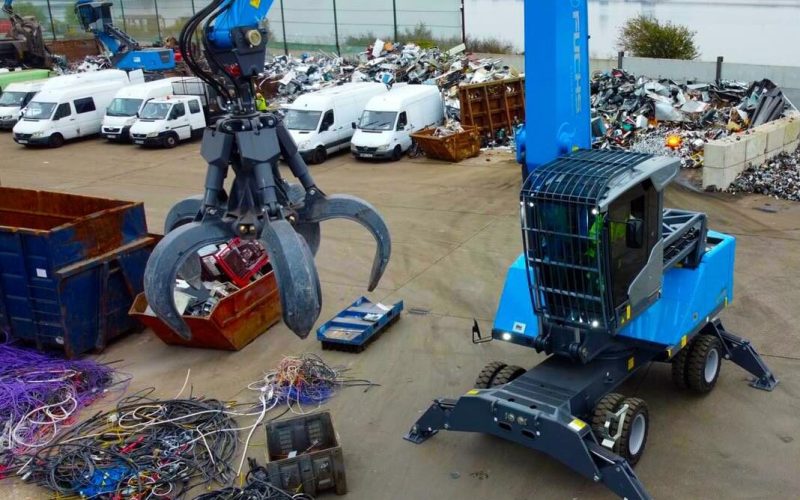
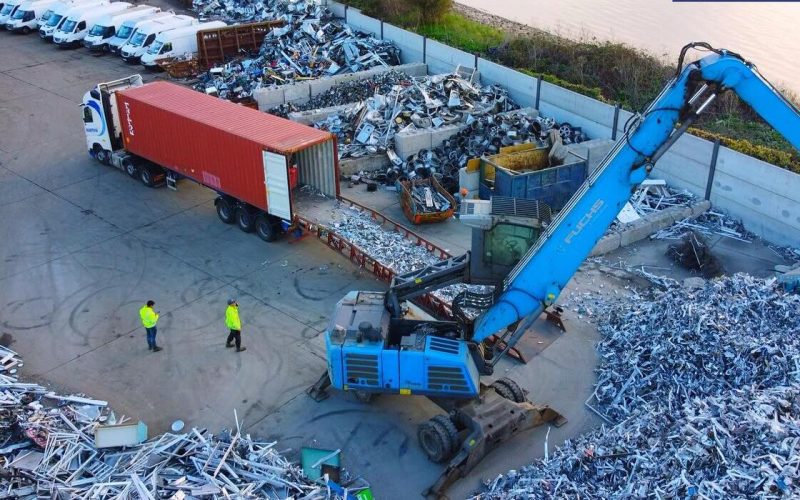
Businesses delivering scrap directly to the Rainham RM13 facility reduce transport overheads, which may influence net pricing outcomes.
For larger industrial volumes, on-site collection using roll-on roll-off containers may be more practical.
Roll-on roll-off containers are commonly used for demolition steel, factory clearances and ongoing production waste streams.
Companies generating consistent scrap volumes may benefit from structured trade account arrangements. This allows scheduled collections, documentation efficiency and commercial transparency.
For specialist alloy recycling including titanium recovery:
Scrap metal prices in London respond to multiple commercial factors.
| Pricing Factor | Impact on Scrap Value |
|---|---|
| Global Commodity Markets | International demand directly influences local rates |
| Material Grade | Clean, segregated metal achieves stronger pricing |
| Volume | Larger, consistent supply supports structured terms |
| Contamination Levels | Mixed or dirty loads reduce valuation |
| Transport and Logistics | Delivery vs collection influences net return |
| Industrial Demand | Manufacturing activity affects market pricing |
Certain materials attract stronger pricing due to rarity and industrial demand.
Titanium alloys are valued based on grade and traceability. Aerospace materials require careful handling and assessment. Industry compliance guidance is available through the UK Civil Aviation Authority:
Nickel-based superalloys used in turbine components contain valuable elements such as cobalt and chromium. Pricing depends on alloy composition and cleanliness.
The British Metals Recycling Association provides industry standards and guidance:
https://www.recyclemetals.org/
Businesses must comply with the Scrap Metal Dealers Act 2013 when selling scrap metal in the UK:
https://www.legislation.gov.uk
Proper documentation protects both buyer and seller and supports ESG reporting requirements.
Businesses can improve scrap returns through structured handling.
Keeping materials clean and dry reduces corrosion. Separating ferrous and non-ferrous metals improves grading accuracy. Storing high-value alloys separately prevents mixed pricing. Scheduling regular collections prevents value degradation from prolonged storage.
Industrial operators across Rainham and East London who implement structured scrap procedures typically achieve stronger commercial outcomes.
Scrap metal prices in London fluctuate due to:
Pricing should therefore be reviewed at time of collection rather than relying on historic rates.
1. How often do scrap metal prices change?
Prices may fluctuate daily depending on global commodity markets and industrial demand.
2. Do industrial clients receive different pricing structures?
Volume, logistics and supply consistency influence commercial arrangements for business clients.
3. Is scrap metal pricing based purely on weight?
Weight is a primary factor, but grade quality and contamination levels also determine final valuation.
4. Do specialist alloys achieve stronger returns?
High-value materials such as titanium and nickel-based alloys generally attract stronger rates due to demand and limited supply.
5. Does separating scrap internally improve pricing?
Segregating metals before collection often results in more accurate grading and improved commercial returns.
If your business generates regular scrap metal or specialist alloys, understanding current market conditions can improve forecasting and maximise returns.
We provide commercial scrap metal pricing guidance for manufacturers, engineering firms, demolition contractors and industrial operators across Rainham, East London and the wider London region.
Connolley Metals
Off Frog Lane, Marsh Way
Rainham RM13 8UG
📞 Phone: 020 3758 3934
📧 Email: info@connolleymetals.co.uk
🌐 Website: https://connolleymetals.co.uk
For current scrap metal prices in London or to arrange a commercial collection, contact our team directly to discuss your requirements.
 Call us now